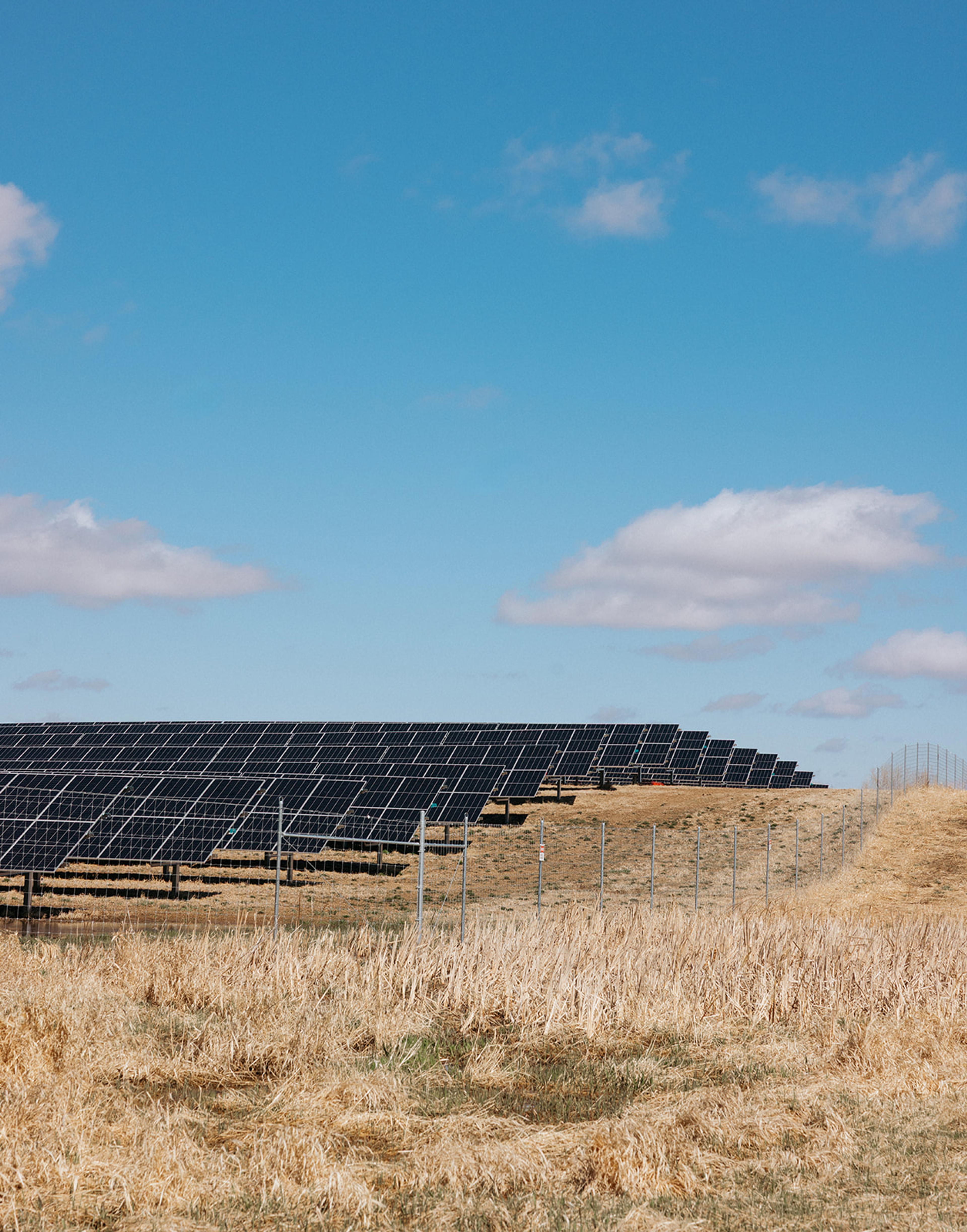
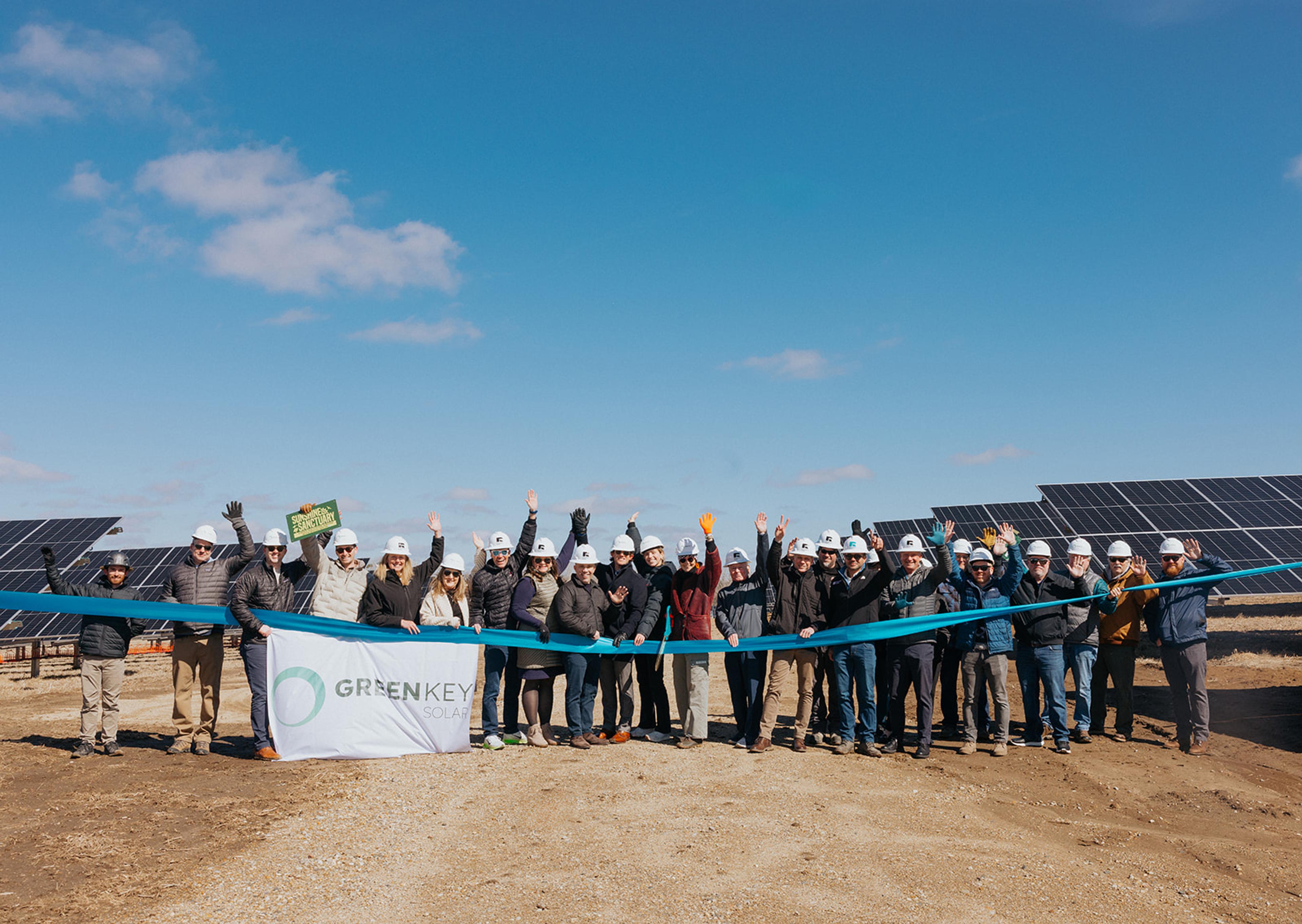
We're celebrating a milestone years in the making: the solar farms we helped Canva bring to life are now online and generating new clean electricity across the Midwest’s power grid. The four projects in Illinois, each producing 4–5 MW of clean power, match the energy used in Canva's Print supply chain and mark a significant step toward Canva’s 2040 net zero goal.
Canva’s renewable energy initiative is a groundbreaking model—and one other companies are already starting to follow. For most businesses, supply chain emissions are both the largest and the most difficult to address. Canva’s Print business, which produces physical products for Canva users, makes up a significant share of the company’s overall footprint. A few years ago, we got to work on a solution that could make meaningful progress against Canva’s supply chain emissions while making real-world impact where it matters most: a clean-power purchasing program.
A new model for impact
With Canva, we co-designed Watershed’s supply chain VPPA—a new model that makes scope 3 decarbonization accessible to companies of all sizes and industries by bringing supplier partners to the table. 100% of Canva’s US and Canadian Print partners joined in, signing on to Canva’s Climate Commitment to tackle supply chain emissions together by co-funding net new clean electricity.
Morgan Stanley’s Environmental Commodities team played the important role of bringing all sides together in a structure that worked for everyone involved—from the solar developer, GreenKey Solar, to Canva and their suppliers. This approach helped provide the long-term certainty needed to unlock funding to build the new solar farms, while smoothing out the kinks in a way that was practical and accessible for Canva's business.
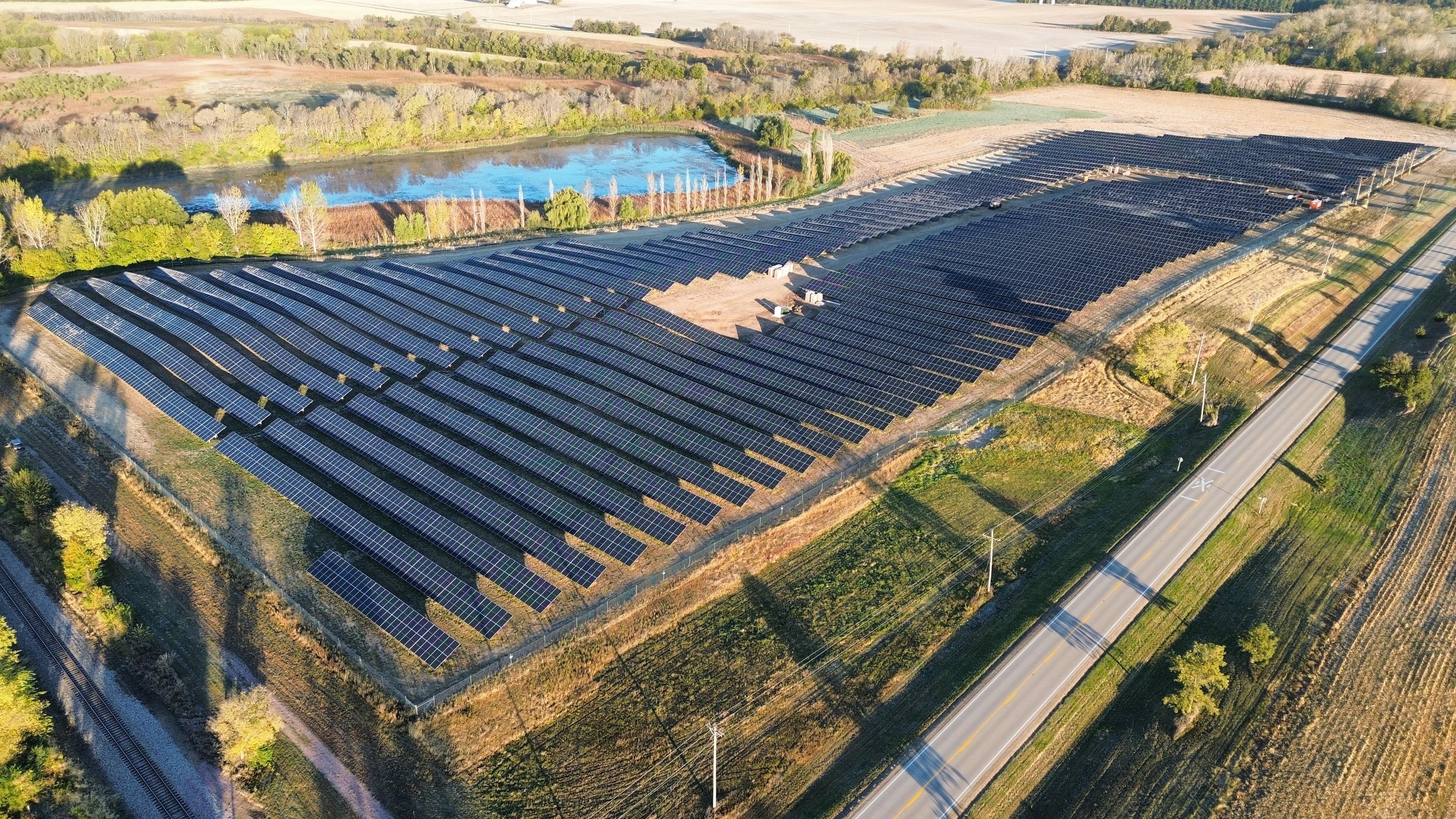
Because the projects follow a community solar model, their impact goes beyond the new electrons powering homes and businesses. Community solar helps reduce household electricity bills in the community by selling excess energy to the local utility, with credits passed on to households that subscribe to the projects.
These solar farms are just the beginning. As they come online, we’re focused on scaling: expanding into new regions with new customers, proving that companies and their suppliers can tackle complex supply chain emissions together—and that collaboration moves faster than going it alone.
If you’re interested in working with us on a supply chain VPPA, reach out to decarb-solutions@watershed.com.