


Watershed Science
Science and research
Watershed employs a team of in-house scientists to advance climate research. Our research covers five themes: AI for sustainability, AI emissions, energy and electricity, life cycle assessments, and open data. Through the Cornerstone collaboration with ERG and the Stanford Sustainable Solutions Lab, the team helps maintain open emissions datasets, including the Global EEIO.
12Scientists and researchers
50+Published papers & datasets
Media inquiries or requests for scientific collaborations
Featured research
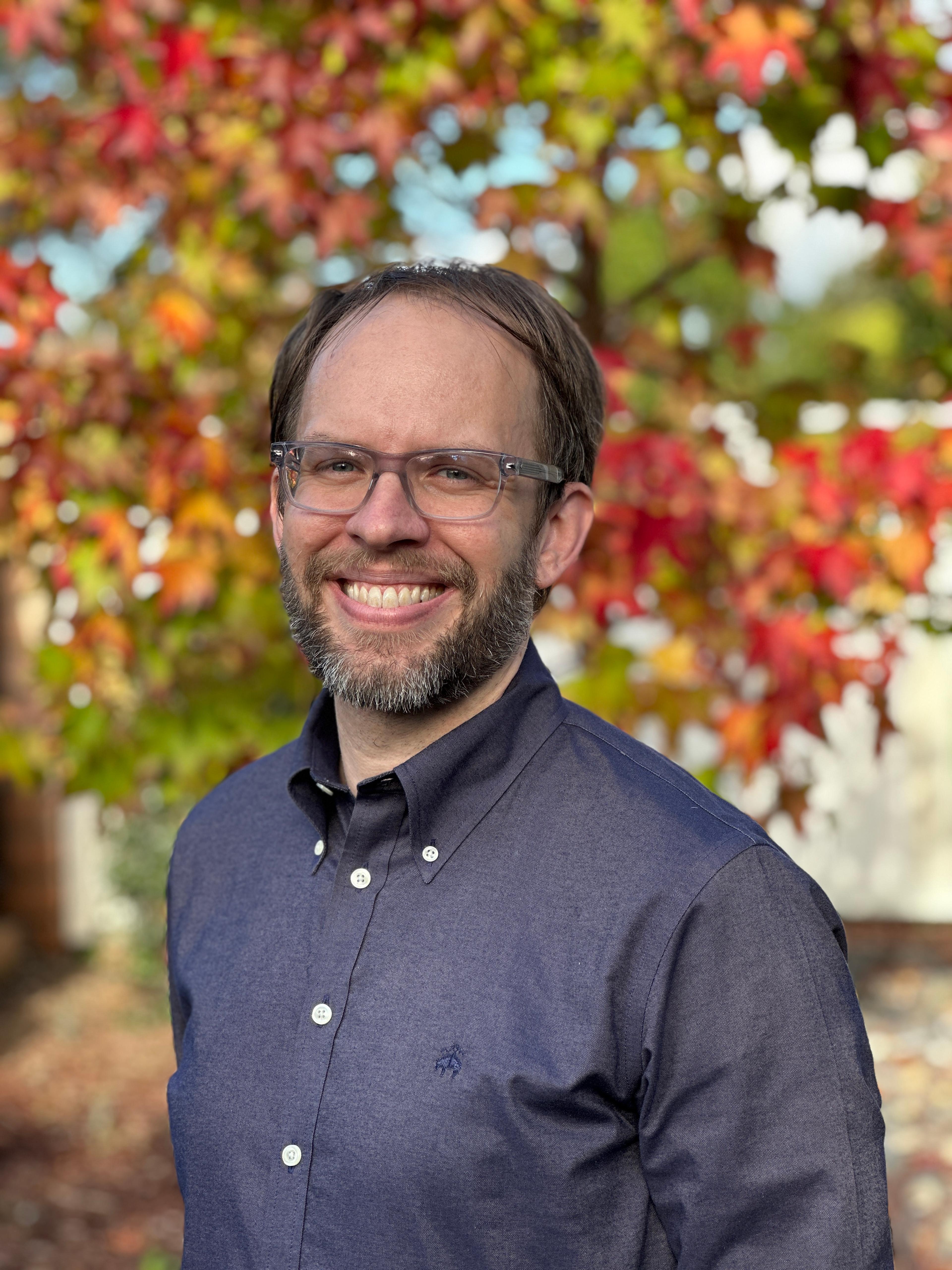
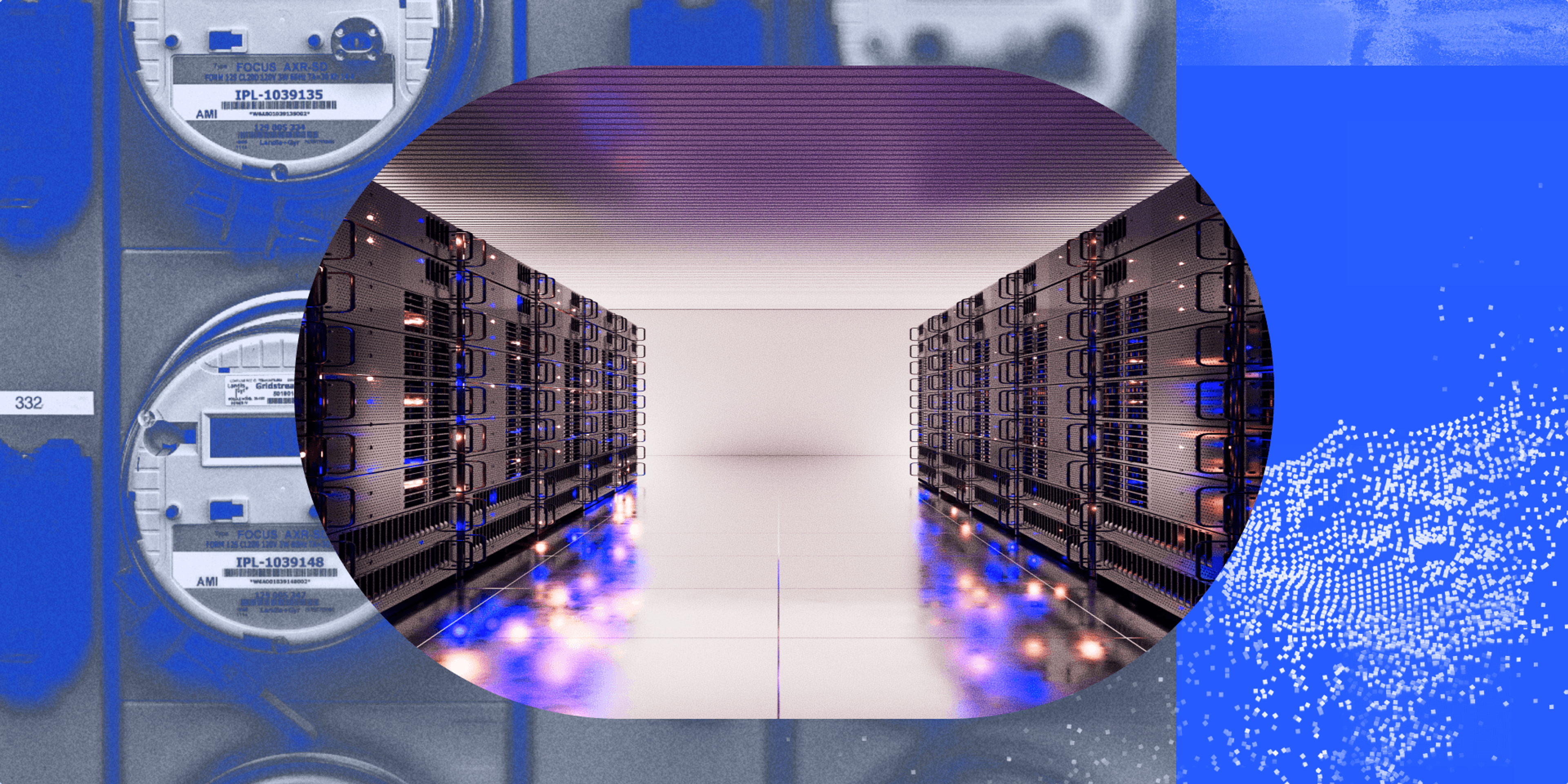
An open framework for measuring AI emissions
As data center electricity consumption rises, sustainability teams are under new pressure to account for AI emissions. Most don't have a reliable way to do it.
Watershed has developed an open framework to help companies measure their AI emissions, even in the absence of perfect data. The framework is designed to give increasingly precise AI emissions measurement as data availability improves. Our research also highlights what actions companies can take today to reduce their AI emissions.
Scientists and research leads
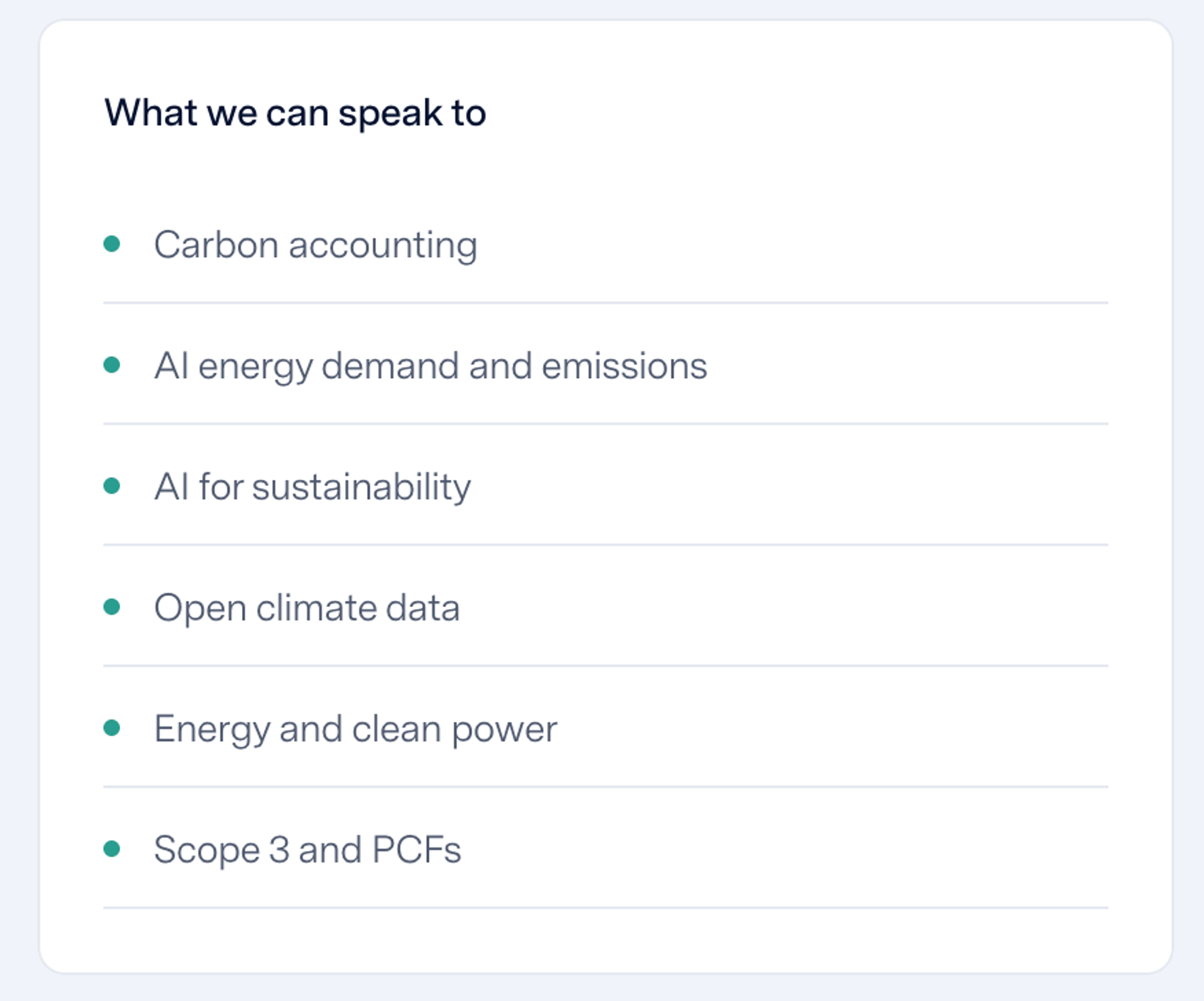
Watershed scientists have expertise spanning carbon accounting, artificial intelligence, and energy.
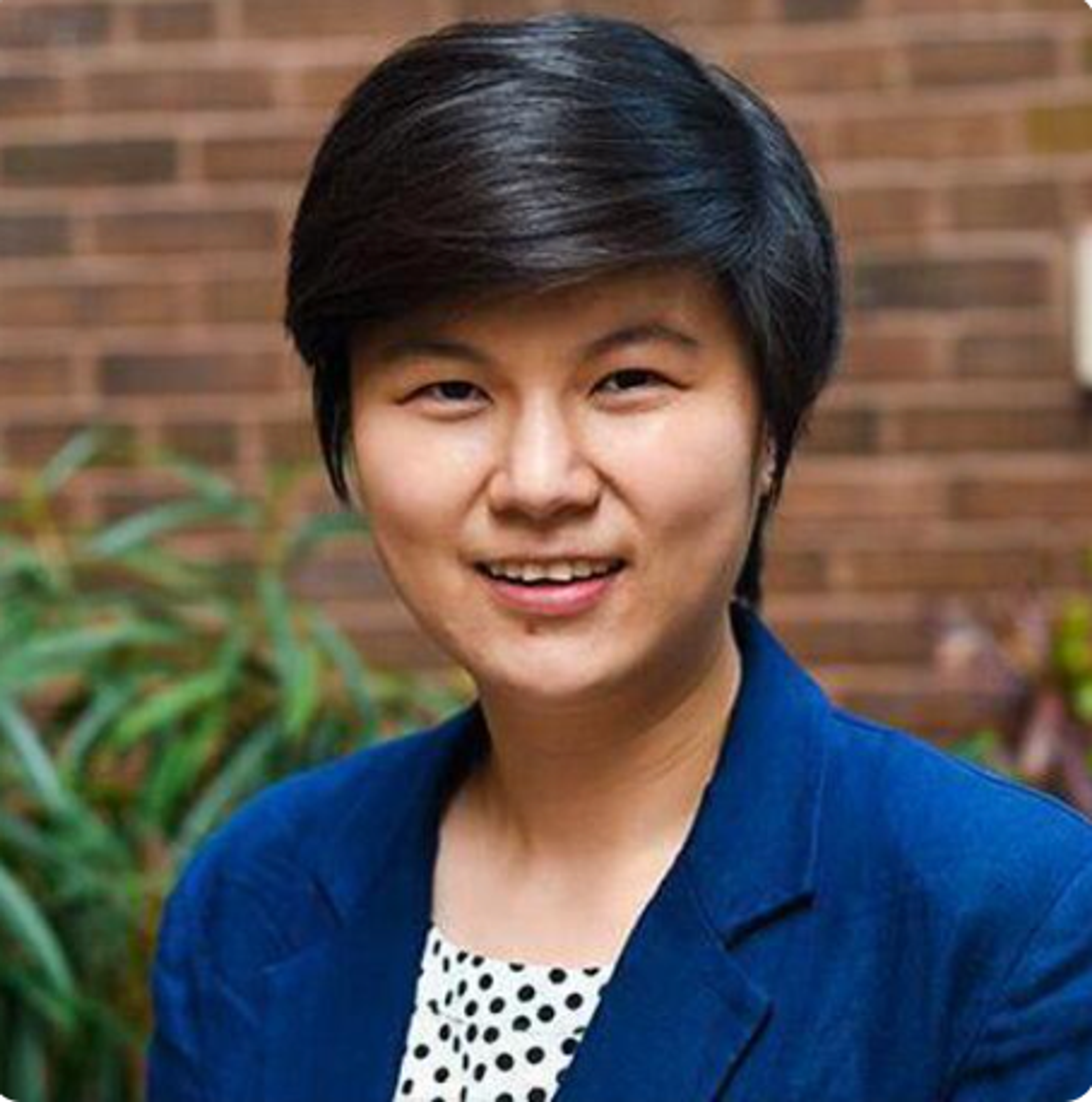

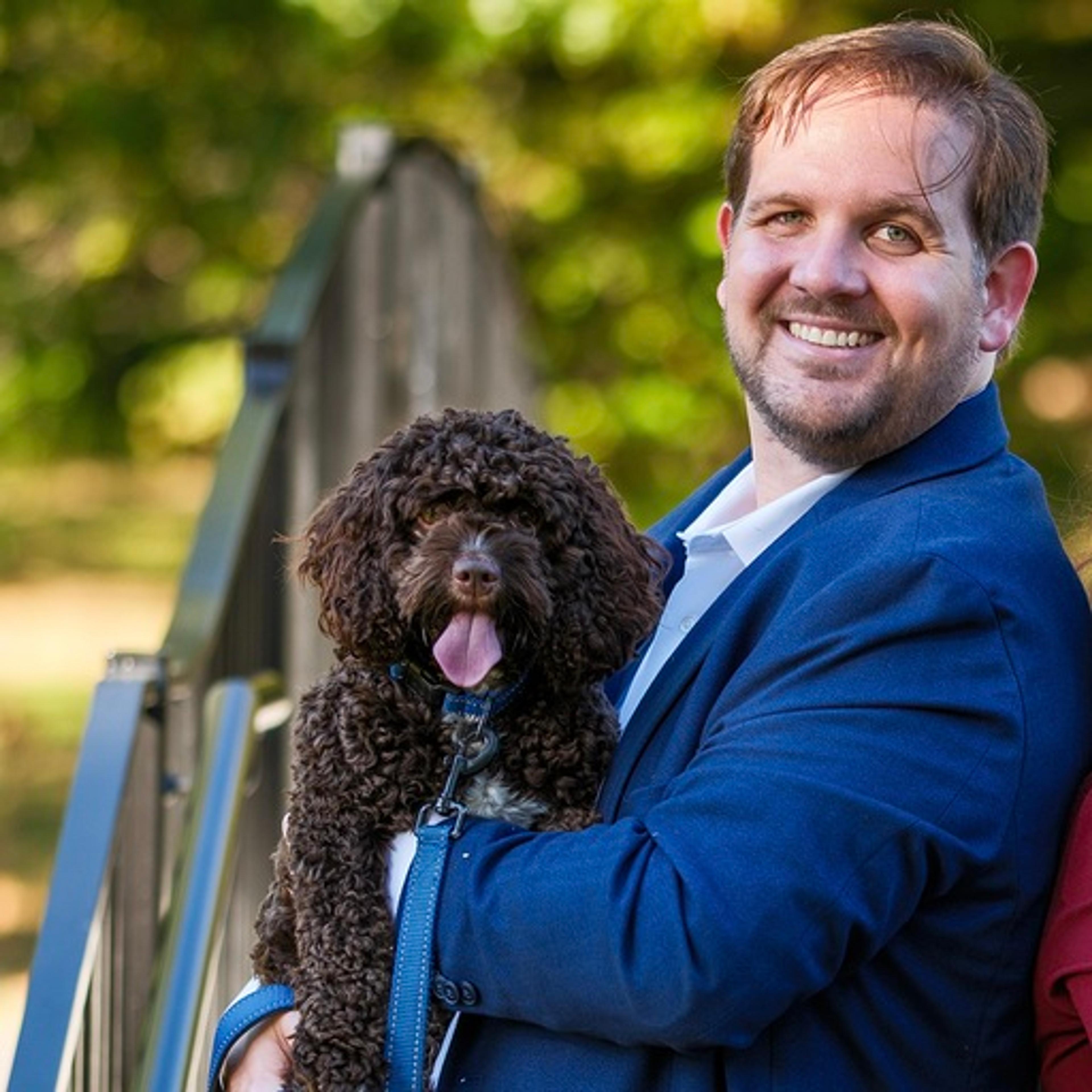
Jake Feintzeig
Engineering and Science Manager

Jonathan Glidden
Head of Data and Climate Science





Brian Tobin
Climate data engineer

Dan Yawitz
Scientist, AI for sustainability
Our research themes
Watershed’s research focuses on five key areas of impact. These briefs offer a summary perspective and links to the individual research papers and studies within each.




Selected research
Watershed's research focuses on three key areas of impact. These briefs offer a summary perspective and links to the individual research papers and studies within each.
- Watershed2026
An open framework for AI emissions measurement (opens in a new tab)
- Cornerstone (Zenodo)2026
Cornerstone: Technical Architecture Vision (v1) (opens in a new tab)
- Cornerstone (Zenodo)2026
eGRID2024 (v1.0.0) (opens in a new tab)
- Journal of Industrial Ecology2026
Evaluation Criteria for AI-Assisted Product Carbon Footprinting Systems: The Cases of Mapping and Supply Chain Modeling (opens in a new tab)
- Cornerstone (Zenodo)2026
GHG Emission Factors Hub 2026 (v2026.01) (opens in a new tab)
- arXiv (physics.soc-ph, econ.GN)2026
Have Data Centers Raised Your Electric Bill? Causal Evidence from the United States (opens in a new tab)
- Nature Reviews Clean Technology 2: 402-4132026
Impacts of the Inflation Reduction Act and One Big Beautiful Bill Act on the US energy system (opens in a new tab)
- Cornerstone blog2026
Making eGRID 2024 data easily accessible (opens in a new tab)
- Cornerstone (GitHub)2026
Methodology for Cornerstone U.S. Model v0.2 (opens in a new tab)
- ICLR 2026 Workshop2026
Owl: Separating Generation from Evaluation to Detect Plausible Failures in Lifecycle Inventory Mapping (opens in a new tab)
- arXiv (cs.AI)2026
PCFBench: A Diagnostic Benchmark for Product Carbon Footprint Estimation (opens in a new tab)
- Hugging Face — Watershed-Climate2026
PCFBench dataset (614 items, 6 subsets) (opens in a new tab)
- GitHub2026
PCFBench evaluation harness (code) (opens in a new tab)
- Journal of Industrial Ecology2026
Quality-aware automation for LCI database mapping (opens in a new tab)
- Cornerstone blog2026
Releasing the 2026 GHG Emissions Factor Hub (opens in a new tab)
- Watershed2026
State of corporate sustainability 2026: AI edition (opens in a new tab)
- US Patent and Trademark Office2026
Training machine learning models to predict characteristics of adverse events using intermittent data (opens in a new tab)
- Nature Climate Change 16: 245-2462026
Weighting for net zero (News & Views on Beath et al.) (opens in a new tab)
Get in touch
Speaking, interview, and scientific collaboration requests
Email our press team with your outlet, topic, and deadline. We respond to press inquiries within one business day and can arrange cited interviews or background briefings.