ESG Reporting
Get ready for ESG reporting requirements
New regulations—along with customer and shareholder demands—are calling for new levels of corporate accountability on Environmental, Social, and Governance (ESG) metrics and practices. Learn what ESG includes, what the regulations require you to disclose, and how to prepare your company for the future of ESG reporting.

What is ESG reporting?
ESG reporting spans the full lifecycle of collecting, analysing, disclosing, and taking action on environmental, social, and governance data. This data usually includes environmental data, such as a company’s greenhouse gas emissions, pollution, water, and land use; social data such as workforce diversity and worker conditions; and information on business conduct and ethical practices.

Which companies must report ESG data?
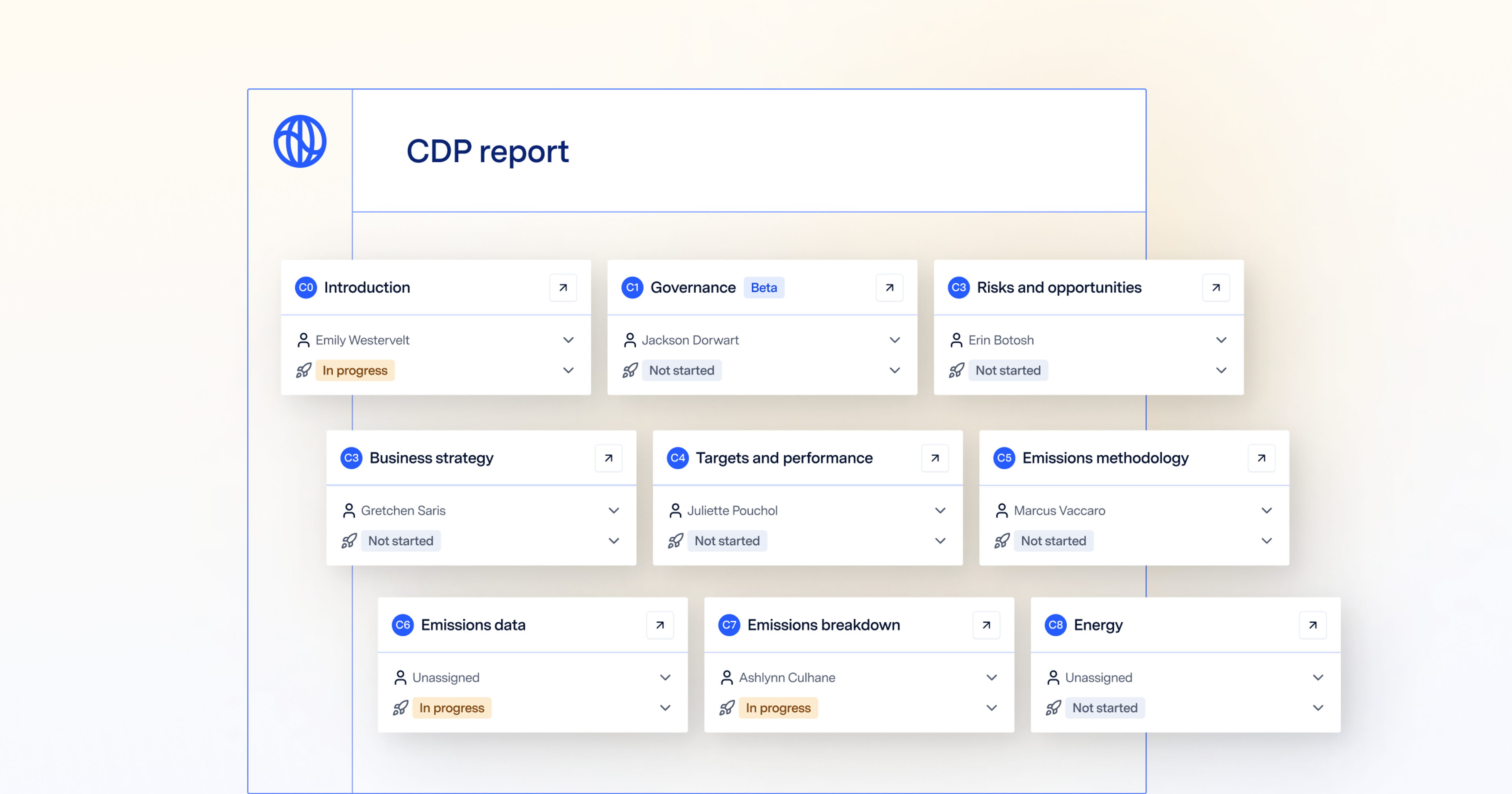
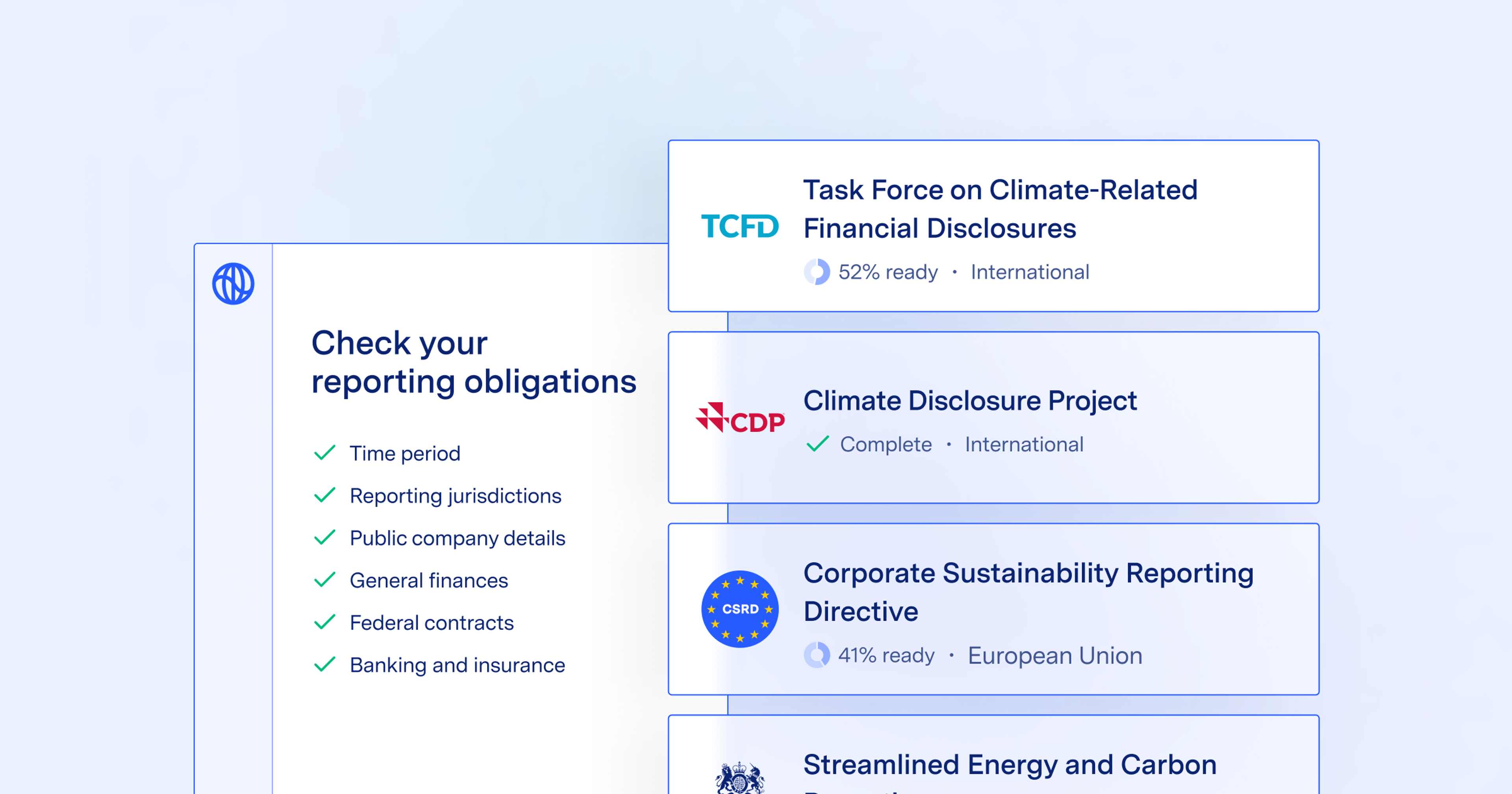
Many companies are required to disclose, or will be required to disclose in the near future, under the European Union’s Corporate Sustainability Reporting Directive (CSRD). Others choose to disclose ESG data voluntarily, such as through CDP (formerly known as the Carbon Disclosure Project). Companies that are part of ESG investment funds, and companies seeking to get an ESG rating, are also required to share their ESG data.
What are the ESG reporting requirements?
Use this table to understand the different ESG reporting requirements, and what they require.
How to prepare ESG disclosures
1
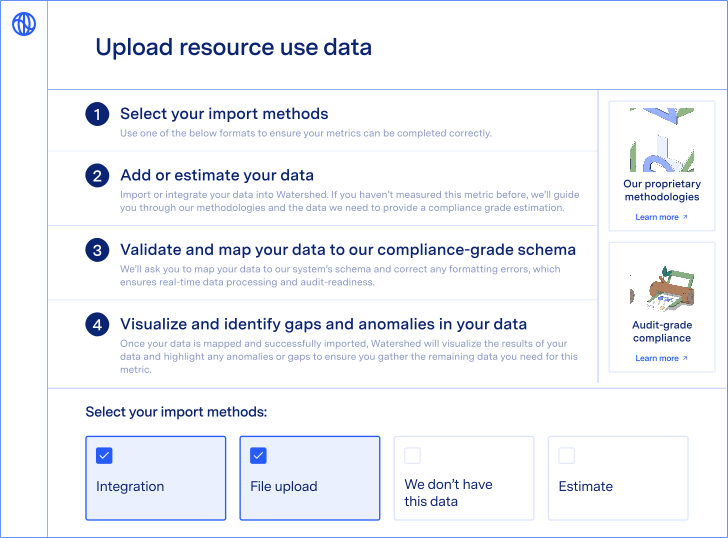
Gather the right data
Since you’ll be gathering data from across your organisation, it’s important to use a data platform that lets you ingest data directly from existing business systems, such as ADP or Workday, as well as upload different file formats.
2
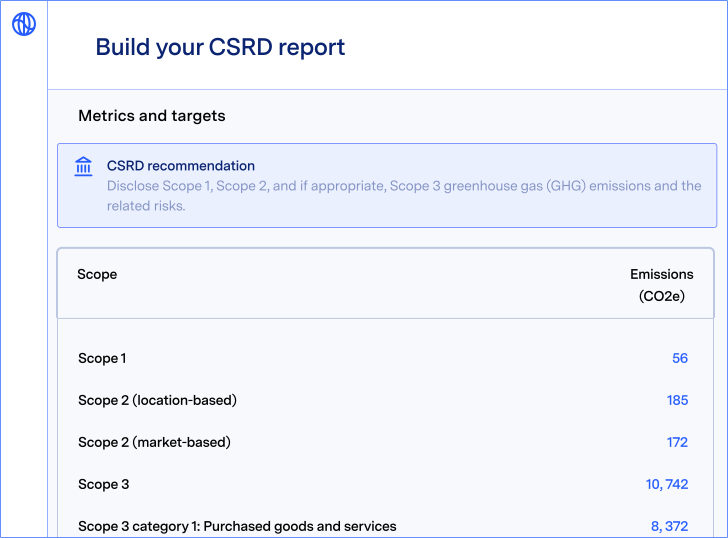
Prepare for disclosure
If you’re using a software platform like Watershed to manage your ESG data, you’ll benefit from automatic data cleanup, gap identification (and, in some cases, estimations needed to fill gaps), and anomaly detection to ensure your data is as clean as possible. Next, you’ll need to format your data to meet the requirements of the disclosure framework you’re reporting to, such as CDP or the CSRD.
3
Take action
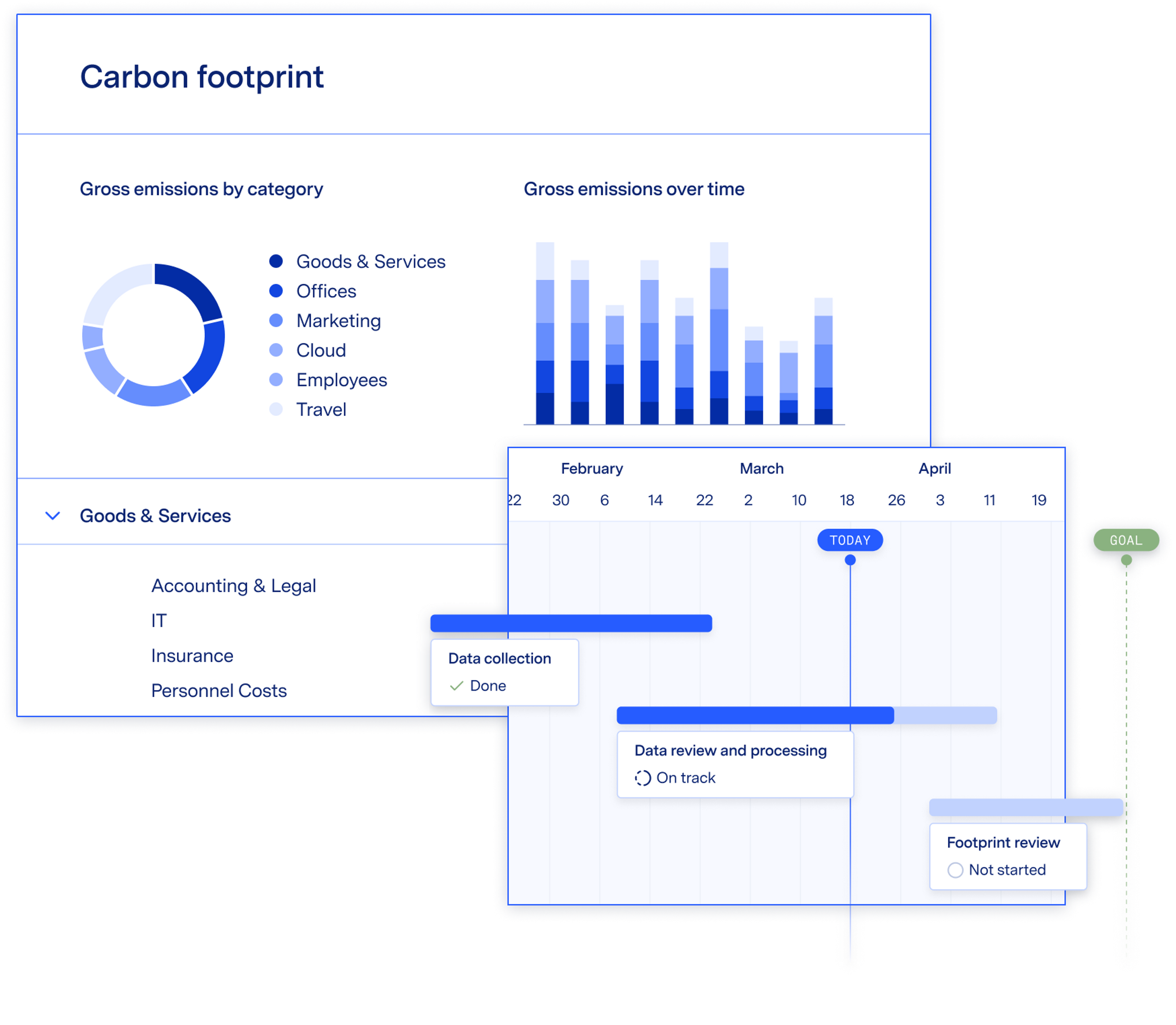
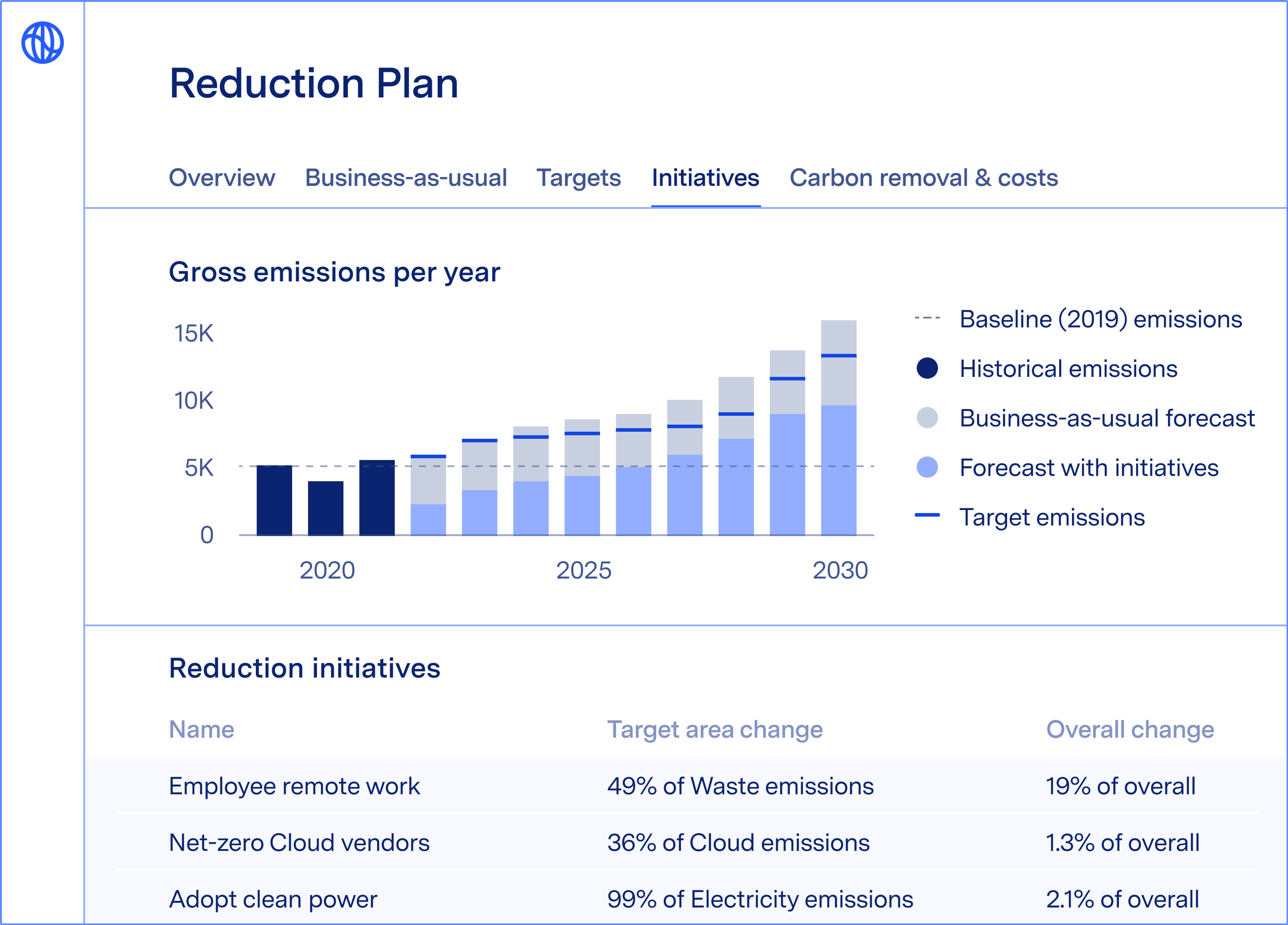
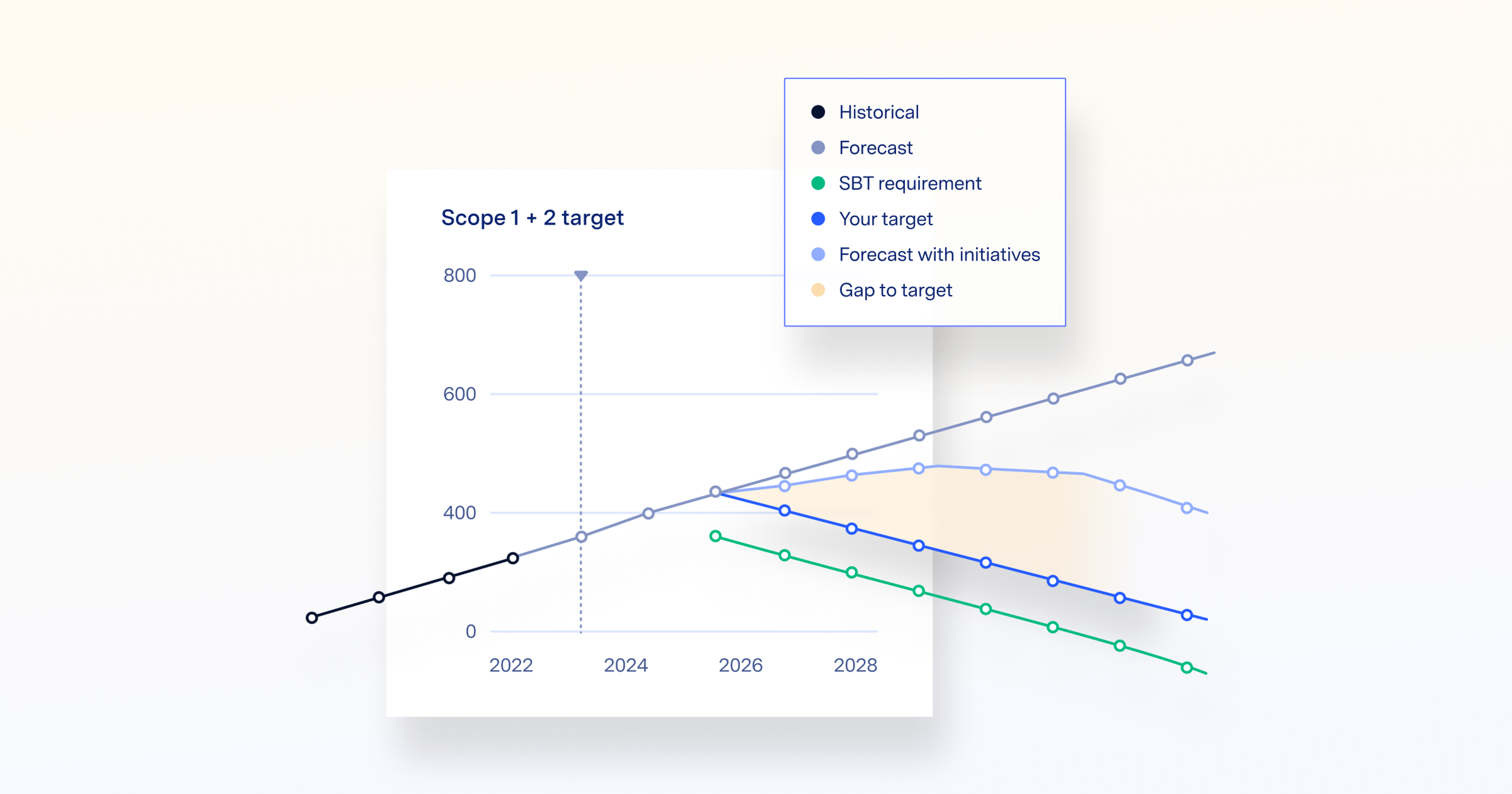
Reporting is just the first step: once you've disclosed ESG practices, you’ll be expected to show progress from one year to the next. Investing in a granular, multi-region carbon footprint, for example, helps you identify the right levers to reduce emissions and show improvement.

Companies report ESG data for a variety of reasons. Some are (or will be) required by regulation to disclose ESG practices. Others are directed by their board, shareholders, or business partners to show progress on ESG metrics. Still others prioritise ESG voluntarily, as a means of engaging employees or gaining market advantage.
ESG Glossary: key ESG terms to know
Navigating the world of ESG reporting isn’t easy—especially when it comes to the alphabet soup of different standards, frameworks, and governing bodies. Here’s a handy guide to common terms and acronyms.


We’re proud of our ESG work and with Watershed’s support, our reporting is more efficient and accurate.

Additional resources

Guide
2024 ESG disclosure
Platform
Platform overview

ESG reporting
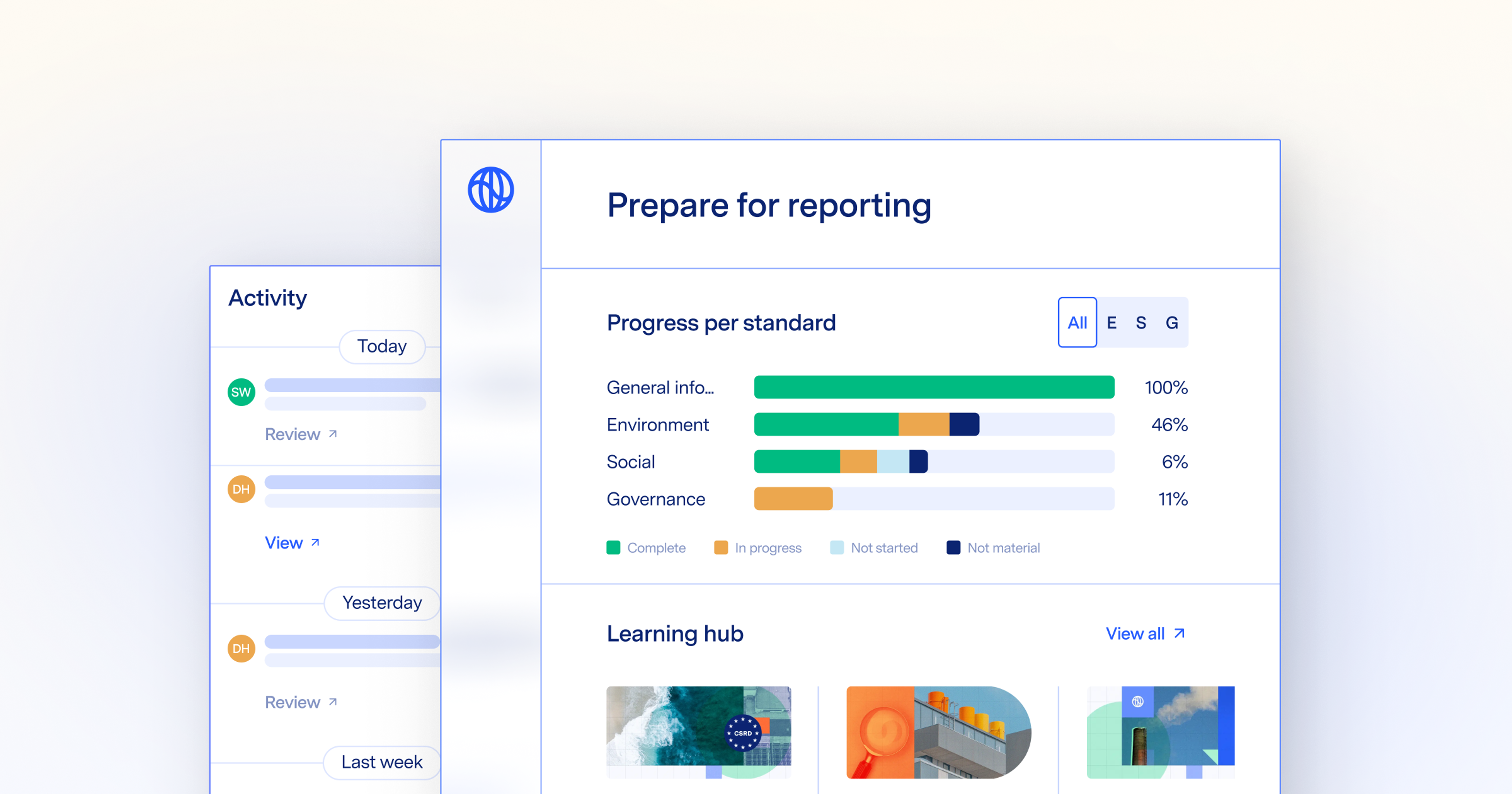
Control the full CSRD reporting process in one complete platform
Disclosures
CSRD reporting just got a lot easier
Disclosures
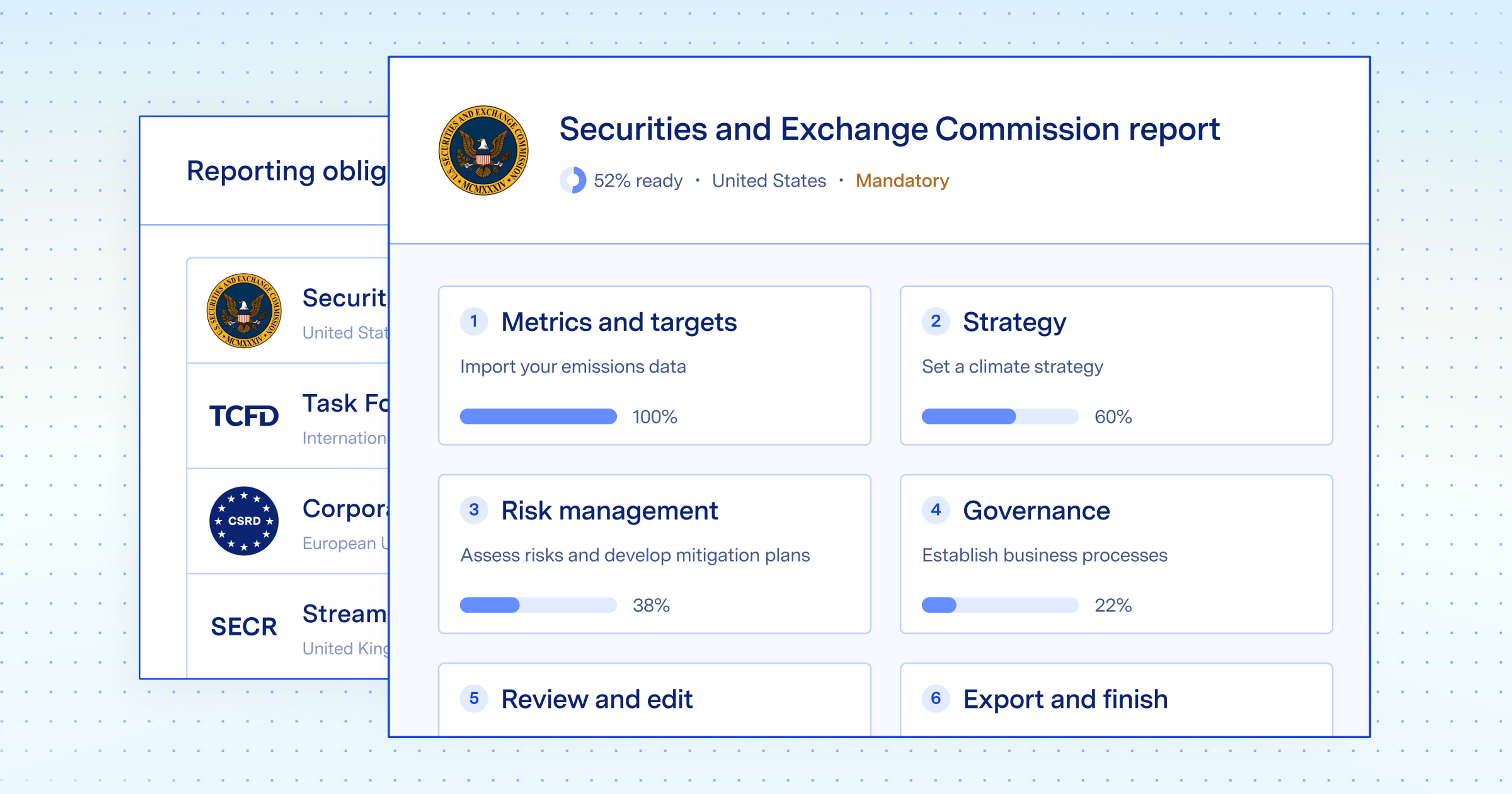
Get SEC disclosure-ready with confidence
Disclosures
What to know about TCFD reporting

Disclosures
Streamline SECR reporting