Together, Watershed customers have driven more than $500 million in new clean energy investment, funding 270+ solar and wind projects across six countries, adding almost 400 MW of capacity to the grid, and avoiding more than 375,000 tonnes of CO2e a year, equivalent to taking more than 80,000 gas-powered cars off the road.
These projects are built or under construction today, generating clean electricity on grids that need it, funded by companies that want to take concrete action to reduce their emissions.
This matters more than ever: scaling global renewable capacity to 11,000 GW by 2030, roughly double where it stands today, would deliver the single largest emissions reduction of any action this decade. But corporate clean power purchasing agreements declined globally in 2025 for the first time in ten years, and just four companies accounted for nearly half of all global activity.
In part, that's because rising costs and the complexity of large-scale energy transactions are pushing smaller buyers out of the market. Watershed is closing that gap by aggregating demand from companies ready to act on their emissions, then matching them with new clean energy projects that need committed buyers to move forward.
What our customers have built
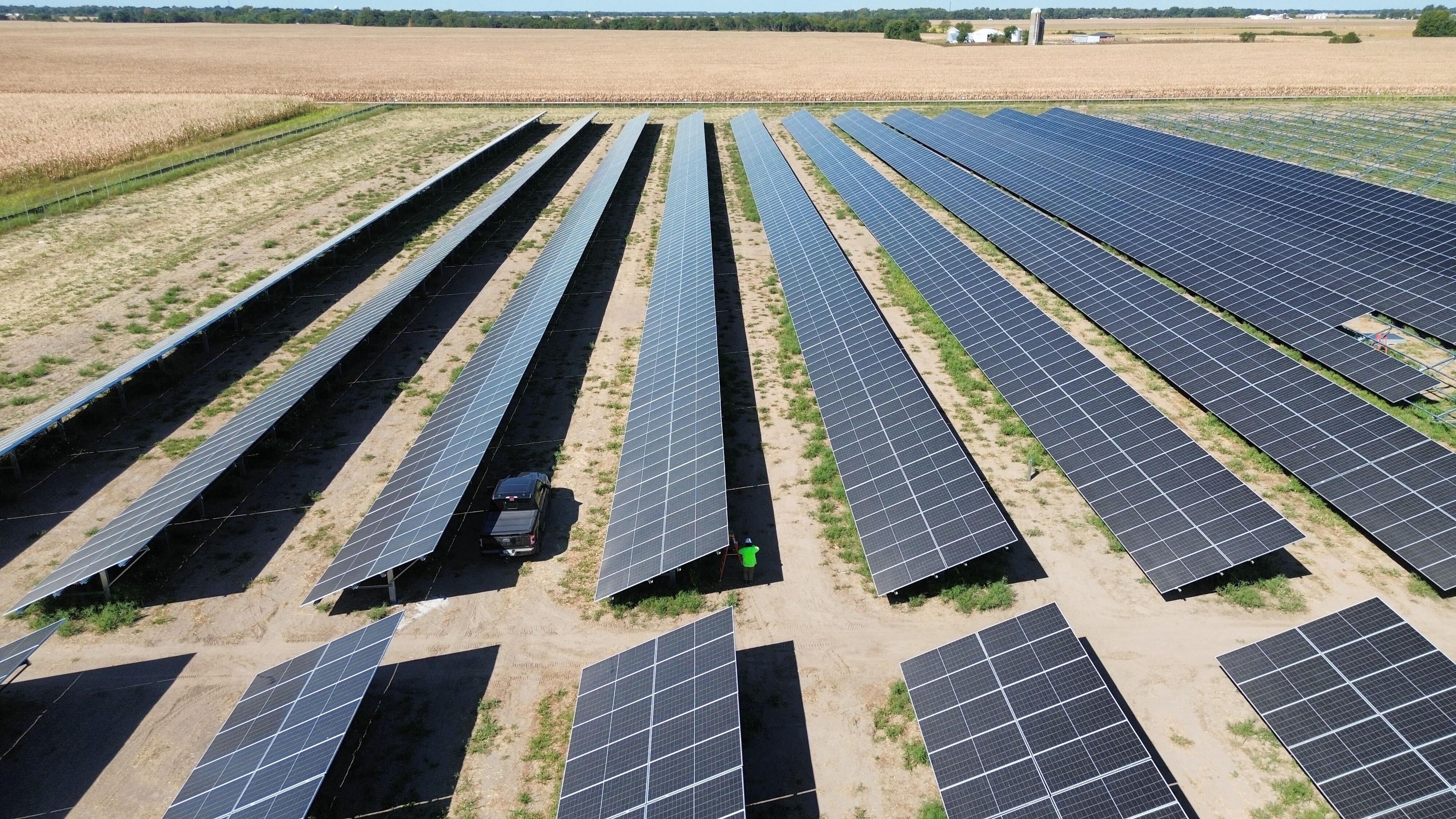
Albany International, Alterra Mountain Company, Dayforce, ServiceNow, and UKG are the latest companies to invest in clean power through a Watershed VPPA (virtual power purchase agreement). Their cohort is funding new solar projects in Texas, Florida, and Illinois, adding over 130 MW of clean electricity capacity to the grid and avoiding over 145,000 tonnes of CO2e annually, equivalent to 30,000 homes' annual electricity use. The first project is coming online this summer.
They join a growing roster of customers building new clean power. In 2024, Canva and its North American print suppliers co-invested in a first-of-its-kind supply chain VPPA, funding four new solar farms in Illinois that reduced Canva's scope 3 emissions while expanding renewable energy access to local households. Block, Braze, DoorDash, Match Group, and Unity funded five solar projects in Michigan, adding 100 MW of capacity per year across five communities and avoiding more than 52,000 tonnes of CO2e annually.
These projects exist because companies that couldn't do these deals on their own found a way to do them together.
Taking a cohort approach to clean power investments
Most companies that want to fund new clean energy can't access the deals on their own. Traditional renewable energy contracts require long commitments, complex negotiations, and minimum sizes that put them out of reach. Our cohort-based buying model, designed with the help of Morgan Stanley, pools demand from multiple companies and matches them to new projects on the grids where clean power will displace the most fossil generation. Buyers get a fixed, predictable cost over a manageable time period.
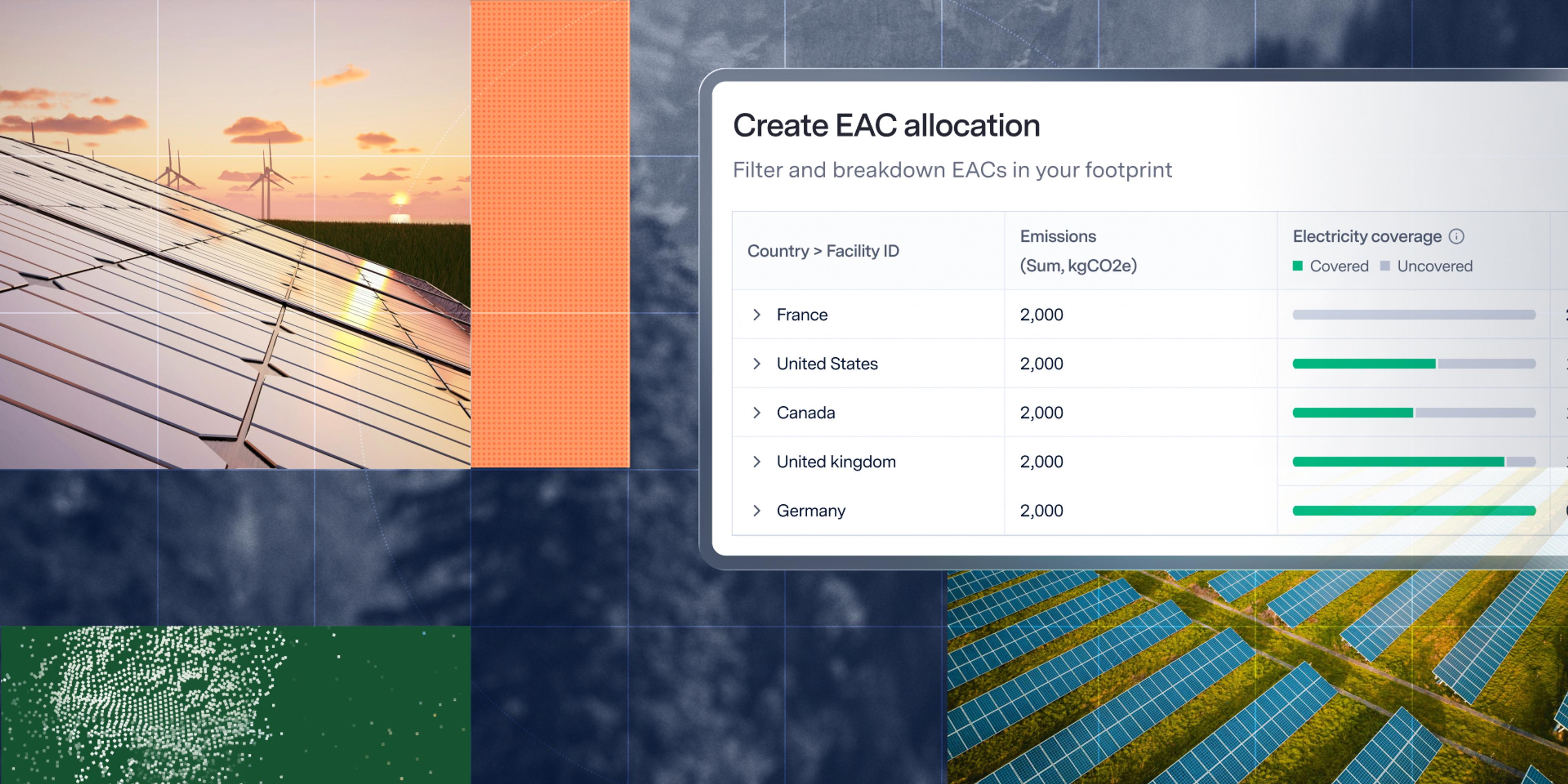
That's why we've built clean power management directly into the Watershed platform: customers manage their energy attribute certificates in-product, see exactly where their electricity is covered and where gaps remain, and allocate certificates directly to their footprint. The result is audit-ready, market-based emissions, all in one place.
We've proven that when you aggregate demand and direct it to the right grids, mid-sized companies can collectively finance projects that used to be reserved for the largest buyers. We're proud of the $500 million our customers have invested in clean energy, and we're excited to continue accelerating the renewable energy transition.
Matt Konieczny, Head of Decarbonization and Energy at Watershed
The grid needs more clean power, and our customers are building it—270+ projects, six countries, and growing. If your company is ready to join them, we'd like to talk.